

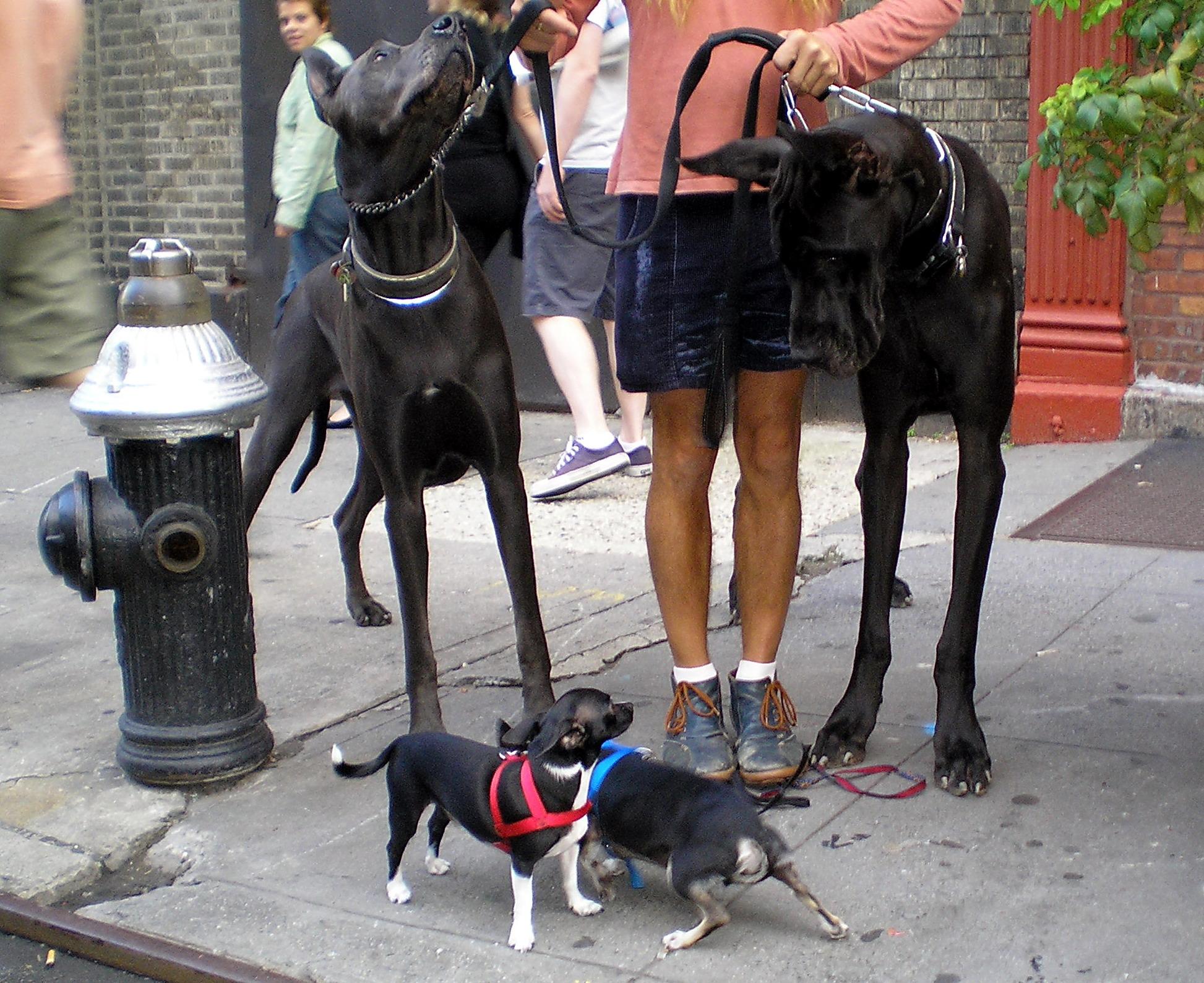
Why Do Big Dogs Die Younger? Scientists Discover New Clues in Their DNA

Dog owners have long wondered why a Great Dane might live only seven or eight years while a Chihuahua can sometimes reach 15 or more. Now, researchers in the United States believe they have discovered an important part of the answer.
A study published on October 8, 2026, in the scientific journal Science reveals that larger dogs experience faster molecular aging than smaller dogs. The research was led by scientists at Arizona State University and involved DNA information from 894 dogs.
What Happens Inside a Dog’s DNA?
The scientists studied a process called DNA methylation. This involves tiny chemical markers attached to DNA that help control how genes behave. These markers change as animals grow older. By examining their patterns, scientists can estimate an animal’s biological age, which does not always match its actual age.
The research team analyzed 1,640 DNA methylation profiles to understand how aging differs between dogs of various sizes. They discovered that large dogs lose certain protective DNA markers more rapidly than smaller dogs.Some of these markers normally help control sections of DNA known as transposable elements, commonly called “jumping genes.”
Why Are Jumping Genes Important?
Jumping genes are pieces of genetic material capable of copying themselves and moving to different positions in the genome.Normally, biological mechanisms keep much of this activity under control. However, when that control weakens, jumping genes may contribute to DNA damage and other problems associated with aging.
The researchers found particularly interesting changes involving a type of jumping gene called LINE1.According to Arizona State University, giant dog breeds lost approximately 35 percent more LINE1-related methylation per year than small breeds.This suggests that differences in how the body controls these genetic elements could help explain why larger dogs age more quickly.
Could This Help Dogs Live Longer?
The findings may eventually improve our understanding of age-related diseases in dogs.However, the scientists have not demonstrated that jumping genes directly cause shorter lifespans. The relationship requires further investigation.Nor does the discovery mean that treatments capable of extending the lives of large dogs are already available.
The research also identified differences between male and female dogs, suggesting that biological sex influences some aspects of molecular aging.
What Does This Mean for Dog Owners?
For now, the findings do not change ordinary veterinary advice.Appropriate nutrition, regular exercise, preventive veterinary care and attention to breed-related health risks remain important throughout a dog’s life.The study does, however, offer researchers a promising new direction.Understanding why a large dog ages differently from a small dog could eventually help scientists develop better ways to identify and possibly delay age-related disease.
It may also provide valuable information about aging in humans.For dog owners, the ultimate hope is simple: more healthy years with their companions.
Scientific source: Original research paper in Science
University source: Arizona State University