

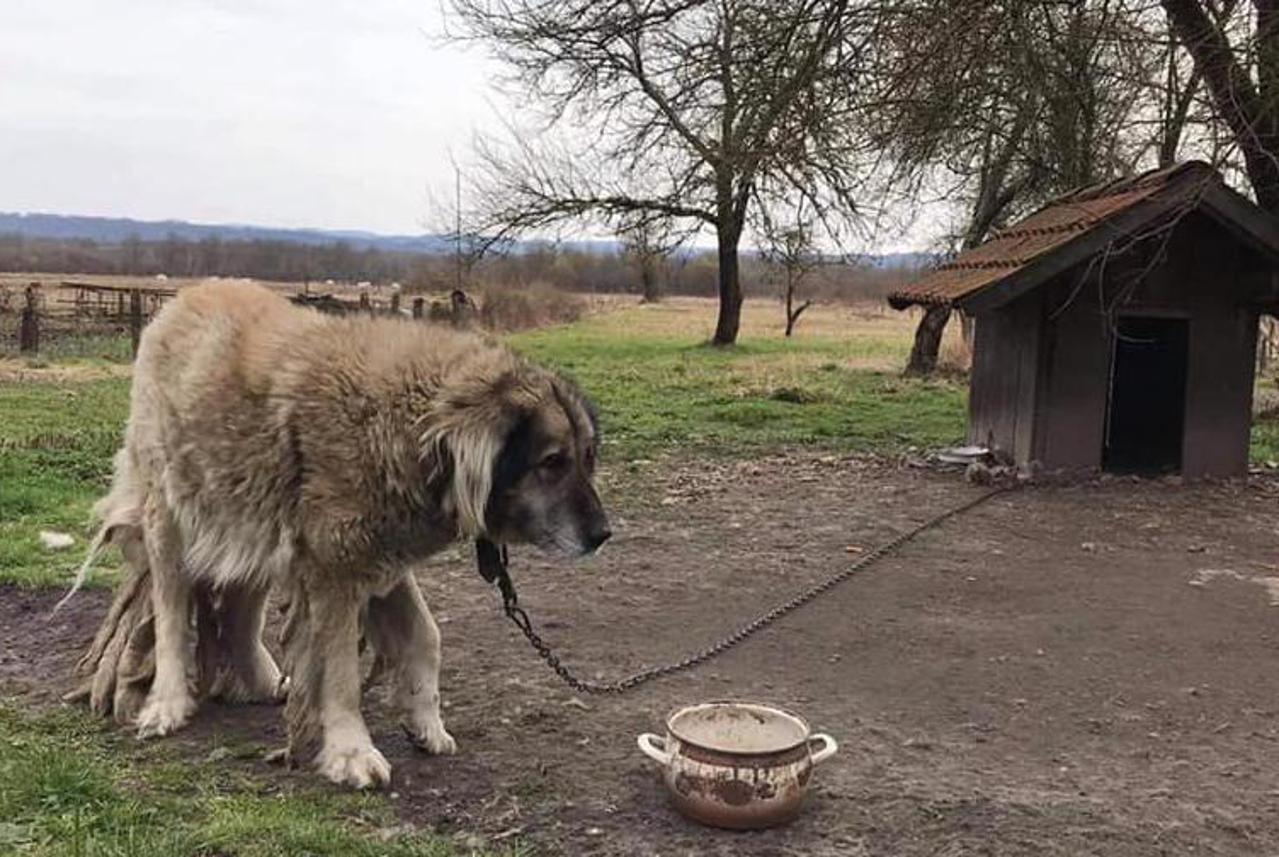
Portugal Moves to End Permanent Dog Chaining and Restrict Harmful Training Collars

Portugal has taken an important step towards ending the permanent chaining of dogs and other companion animals. On 28 October 2026, the country’s Parliament approved two animal welfare measures designed to prevent prolonged confinement in unsuitable conditions and restrict training or restraint equipment that can cause injury, pain or unnecessary distress. The legislation also provides for a national programme to help reduce the practice of keeping animals chained. Although the parliamentary votes represent a significant victory for animal welfare campaigners, the practical effects will depend on the final legal provisions, their commencement and how authorities enforce them. quemvotou.pt+1
A Long-Standing Welfare Concern
In rural areas and on some private properties, dogs are still sometimes kept attached to chains or ropes for long periods. They may be expected to guard buildings, livestock or land while having limited freedom to move.Chaining does not automatically mean that an animal is being neglected. However, permanent restraint can prevent dogs from exercising, exploring their surroundings and interacting normally with people or other animals.It can also create physical risks. Chains may become tangled, restrict access to shelter or water, or cause injuries if they rub against the animal’s body.
The new Portuguese measures recognise that an animal’s living conditions must meet both physical and behavioural needs.The parliamentary initiative specifically addresses permanent chaining and the practice of leaving companion animals on balconies or in similar spaces where their welfare, health or safety may be compromised.
What Parliament Approved
The first measure originated from a proposal by the animal welfare party Pessoas–Animais–Natureza, better known as PAN.It concerns permanent chaining and unsuitable accommodation, including balconies and comparable areas.The legislation aims to prevent companion animals from being left without supervision appropriate to their physiological and behavioural needs for periods that could endanger their welfare.It also provides for a National Unchaining Plan, intended to support efforts to replace permanent restraint with more suitable arrangements.
The parliamentary voting record identifies the relevant initiative as Bill 581/XVII/1 and confirms its approval in the final overall vote on 28 October. The recorded result was 127 votes in favour, 91 against and 12 abstentions. oparlamento.
Training Equipment Also Under Scrutiny
A second measure concerns equipment used to restrain or train companion animals.The approved approach restricts the sale and use of collars capable of causing pain, injury or stress. It also establishes the principle that restraint and training methods should not inflict unnecessary suffering.
This is important because training equipment varies considerably. Ordinary collars, harnesses and leads serve different purposes from devices designed to produce painful pressure or other unpleasant sensations.The legislation does not mean that every collar or training device is prohibited. Its focus is on equipment and methods that may harm animal welfare.The precise legal definitions and enforcement arrangements will be important for owners, trainers, veterinarians and retailers.Both measures were approved despite opposition from some parliamentary parties, reflecting continuing disagreement over how animal welfare requirements should be regulated. Observador
What Happens Next?
Parliamentary approval is not the same as immediate implementation of every requirement.Contemporary reporting indicates that the Portuguese government will have 90 days after publication of the legislation to establish the necessary regulations.Authorities will need to clarify how the rules apply in practice, which situations qualify as unacceptable confinement and how compliance will be monitored.
The National Unchaining Plan may also require practical support for owners who lack suitable fencing or other secure accommodation.For example, replacing a chain with a safe enclosed area can require financial investment, particularly for households with limited resources.Clear guidance will therefore be essential to ensure that the measures improve animal welfare without creating confusion about acceptable methods of keeping dogs secure.
Part of a Wider European Movement
Portugal’s decision comes during a period of significant changes in European companion-animal legislation.Earlier in 2026, the European Union adopted new rules intended to improve the welfare and traceability of dogs and cats.The European regulation addresses breeding, identification, registration, housing and the commercial trade in companion animals. It also introduces restrictions relating to harmful physical characteristics and cosmetic mutilations.
Implementation will be gradual, with different requirements becoming applicable over several years.Portugal’s national measures address a different but related concern: the everyday conditions in which companion animals are kept and trained.Together, these developments reflect growing recognition that animal welfare involves more than providing food and basic veterinary treatment.
What the Changes Mean for Dog Owners
For Portuguese dog owners, the central message is that keeping an animal safe must also involve meeting its behavioural and physical needs.Dogs require appropriate shelter, opportunities for movement, regular care and suitable social interaction. A permanent chain cannot normally provide the same opportunities as a properly managed living environment.Owners who currently rely on chaining may need to consider alternatives, such as secure fencing or supervised exercise areas.
Those using training equipment should also pay attention to the forthcoming legal definitions and consider methods that avoid unnecessary pain or distress.The approved legislation does not, by itself, guarantee that poor living conditions will disappear. Effective inspections, public information and practical assistance will determine how much changes for animals.Nevertheless, Portugal’s parliamentary decision marks a significant shift in how the country intends to address permanent restraint and harmful training practices.For dogs whose lives have been spent at the end of a chain, the most important question is whether the new rules will produce lasting improvements in their daily lives.